Access issues for cleaning on Holland Park estates and solutions
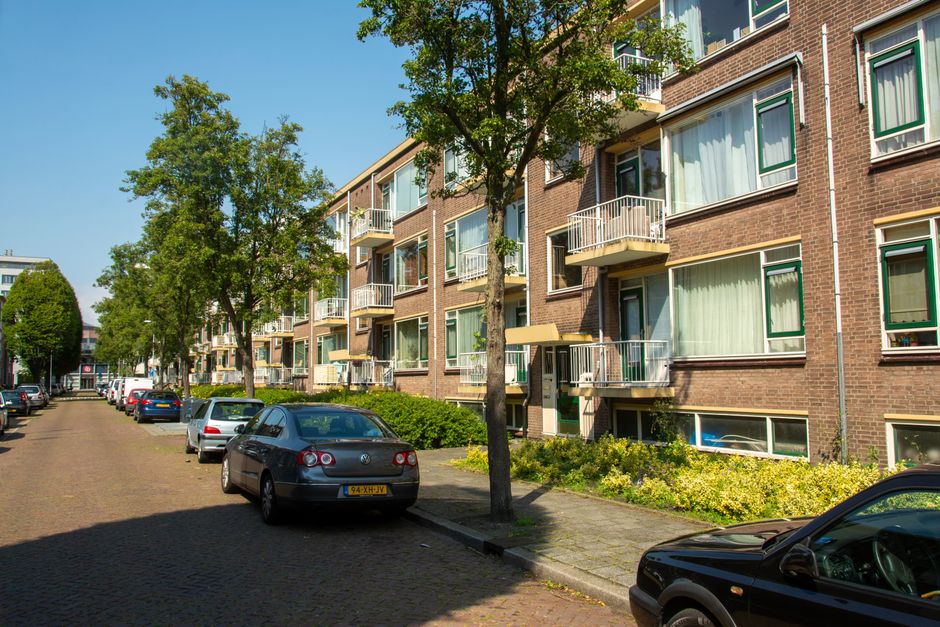
If you have ever tried arranging cleaning on a Holland Park estate, you will know the job can look straightforward on paper and then become oddly complicated in real life. Keys need signing in, porters may control entry, service lifts can be booked out, basement flats have awkward stairwells, and some blocks only allow work inside tight time windows. That is exactly why Access issues for cleaning on Holland Park estates and solutions is such a practical topic: the cleaning itself is only half the task. The other half is making sure the team can actually get in, get set up, work safely, and leave without causing disruption. This guide breaks down the common access problems, what they mean day to day, and the solutions that usually work best on London estates.
One small truth from experience: a well-planned clean often feels boring to the client, and that is a good thing. No missed slot, no confusing key handover, no porter standing around waiting. Just a smooth visit, a clean property, and everyone getting on with their day.
Why access issues on Holland Park estates matter
Holland Park estates tend to combine high-value homes, shared entrances, concierge desks, basement levels, garden squares, controlled parking, and neighbours who rightly expect a quiet, tidy service. That mix makes access planning more important than the cleaning method itself. If access is wrong, the best cleaning team in the world still ends up delayed, rushed, or unable to complete the work properly.
The practical impact is wider than a late start. Poor access can mean damp equipment sitting in the wrong place, hoses dragged through communal areas, shortened drying windows, or a cleaner unable to reach a room that was assumed to be available. In a busy block, that can become a chain reaction. One missed instruction affects the whole visit.
There is also a trust angle here. Residents and estate managers want to know that contractors will behave professionally in shared spaces, respect porter instructions, and work within building rules. That is especially true for services such as communal area cleaning, domestic cleaning, and deep cleaning, where the schedule often depends on shared access arrangements rather than a simple front-door entry.
Expert summary: On Holland Park estates, access planning is not an admin extra. It is part of the cleaning specification. The smoother the handover, the better the result, and the less friction for the resident, porter, or managing agent.
How access planning works in practice
Good access planning starts before the appointment is booked. In a well-run job, the cleaner or office team gathers the details that determine how the visit will unfold: entry method, floor level, lift availability, parking options, restrictions on noisy work, pet considerations, and any need for concierge sign-in. Sounds simple. Sometimes it is. Sometimes not even close.
For example, a carpet clean in a first-floor mansion block might need a porter to release the lift, a client to meet the technician, and a clear hallway because wet equipment cannot be left on the landing. By contrast, a ground-floor flat may be easy to enter but difficult to manoeuvre inside if the corridor is narrow or furniture is packed tightly. The access issue changes, but it does not disappear.
Typical access controls on estates include:
- key collection and return procedures
- concierge or porter-led entry
- time-restricted work windows
- lift booking or service lift priority
- parking bay or loading bay restrictions
- rules on noise, waste, and common-area protection
- instructions for basement, courtyard, or rear access
Once these are known, the cleaning provider can match the job to the site. A more involved visit, such as steam carpet cleaning or upholstery cleaning, may need more space and better setup time than a quick window cleaning visit. The core idea is the same: the method should fit the access conditions, not fight them.
Key benefits and practical advantages
When access is handled properly, the difference is obvious. You save time, reduce stress, and protect the result of the clean. That sounds obvious, but in the real world it is the difference between a tidy, calm appointment and one that feels slightly chaotic from the first knock at the door.
- Fewer delays: The team arrives ready, rather than waiting around for a missing key or unused lift booking.
- Better finish: More time is spent cleaning and less time is wasted moving equipment or sorting entry.
- Less disruption: Neighbours, porters, and residents experience a quieter, more orderly visit.
- Lower risk of damage: Proper route planning reduces scuffs in communal hallways and awkward lifting through tight spaces.
- Clearer expectations: Everyone knows where the team is going, what they need, and when they will be finished.
There is another subtle benefit: access planning often makes the whole service feel more premium. Not because it is flashy, but because it feels controlled. And control matters in estates where shared space, timing, and discretion all matter at once.
If you are arranging a broader clean, this also helps services like house cleaning, move-in cleaning, move-out cleaning, or end of tenancy cleaning, where multiple rooms and access points are involved.
Who this is for and when it makes sense
This topic is relevant to more people than you might think. Residents, landlords, estate managers, concierge teams, letting agents, and cleaners all feel the impact of poor access, just in slightly different ways.
It makes particular sense if you are:
- living in a managed block with concierge or porter access
- renting a flat where end-of-tenancy timings are tight
- arranging work in a mansion block with shared entrances
- booking a one-off clean after building work or decorating
- trying to coordinate cleaning between residents and management staff
- running short-term lets and needing turnaround cleaning without fuss
For landlords and agents, access issues can be the hidden reason a property is not ready on time. For residents, they are often the reason a simple booking feels unexpectedly stressful. For cleaners, they can turn a standard visit into a logistical puzzle. That is why services such as one-off cleaning, regular cleaning, and Airbnb cleaning benefit so much from careful access notes before arrival.
Step-by-step guidance
If you want the smoothest possible clean on a Holland Park estate, use a simple, repeatable process. You do not need a complicated system. You just need the right details captured early and checked again before the visit.
- Confirm how entry works. Is it keypad, fob, concierge sign-in, a handover from the client, or a key safe? Be precise.
- Map the route. Note the entrance, any lifts, stairs, basement passages, and the best place to unload equipment.
- Check the timing window. Some estates are flexible; others are not. Morning-only or no-loud-work rules are common enough.
- Flag restrictions. Parking, loading, no-wheelie-luggage rules, and protected flooring all matter.
- Tell the cleaning team what they are walking into. If there are pets, fragile furniture, low ceilings, or narrow hallways, say so.
- Prepare the property. Move small items where possible, keep access routes clear, and confirm who will be present.
- Reconfirm on the day. A quick message or call saves more problems than people expect. Honestly, it is often the difference between a calm start and a messy one.
A practical example: if your estate requires the porter to let contractors in between 9:00 and 10:00 only, do not assume "around 9" is enough. It is better to build a tight arrival window and send the reference name, flat number, and phone number ahead of time. Small detail, big difference.
Expert tips for better results
Here is where the job gets easier if you know the local rhythms. In Holland Park, the best cleaning visits are usually the ones where the route in, route out, and setup space are all decided before the first bucket is lifted.
- Give the team a single point of contact. Too many messages, too many people, and things drift.
- Send photos of the access route if needed. A quick picture of the hall, stairwell, or parking area can save confusion.
- Separate resident access from service access. If there is a rear gate or goods entrance, say so early.
- Protect communal floors in advance. On some estates, this is expected. On others, it is just sensible.
- Book enough time. A rushed appointment on an awkward site is a false economy.
- Match the service to the building. For example, carpet cleaning and oven cleaning each bring different setup needs, so treat them differently rather than copying the same access plan.
A small but useful habit: ask who controls the building on the day. That might be the resident, a porter, an estate office, or a letting agent. If you guess wrong, the cleaner may arrive ready and still cannot start. Bit awkward, that.
If the property is being prepared for guests or new tenants, it is also worth combining cleaning tasks logically. A visit for move-in cleaning may pair well with hard floor cleaning or stain removal if access is already being managed and the property is empty.
Common mistakes to avoid
The most common access mistakes are not dramatic. They are ordinary, and that is why they keep happening. A few small oversights can undo a perfectly good cleaning plan.
- Assuming the concierge will handle everything. Sometimes they do help. Sometimes they do not, or they need advance notice.
- Forgetting about parking and unloading. A team that has to double-park or carry equipment too far starts the job already under pressure.
- Not checking lift size or booking rules. Equipment does not always fit the route you imagined.
- Leaving access notes too late. The day before is better than the day of, but earlier is safer.
- Ignoring shared-space etiquette. A noisy, messy entry through a polished communal hall is the fastest way to annoy everyone.
- Booking the wrong service level. If the home needs more than a surface clean, a light tidy will not solve the access and time pressure.
One mistake people often make is treating access problems as a separate issue from the cleaning quote. In reality, they are linked. The more complex the access, the more carefully the service needs to be scoped. That is especially true for deep cleaning, after builders cleaning, and house clearance, where time, manpower, and entry logistics can all change the final outcome.
Tools, resources and recommendations
You do not need specialist software to manage access on a Holland Park estate, but a few basic tools make the process much easier. The goal is clarity, not complexity.
- Access notes template: Keep one standard note for entry, parking, contact names, lift rules, and backup arrangements.
- Photo checklist: Images of entrances, hallways, parking bays, and any awkward stair runs are very useful.
- Calendar reminders: A same-day reminder can prevent missed slots and forgotten handovers.
- Simple property plan: Even a rough sketch of entrances and routes can help with larger or shared properties.
For more structured service expectations, it can also help to review pages like health and safety policy, insurance and safety, and accessibility statement. Those are useful because access issues are rarely just about convenience; they touch safety, accessibility, and responsibility too.
If you are comparing service types, think about the scale of access required. Sofa cleaning might need one or two people and a compact route. Commercial cleaning may require broader access permissions, tighter health-and-safety planning, and more formal coordination. Different jobs, different logistics. Simple as that.
Law, compliance and best practice
Access planning on residential estates usually sits inside broader UK expectations around safety, professionalism, and respect for shared spaces. You do not need to turn every cleaning booking into a legal exercise, but it is wise to keep a few principles in mind.
First, cleaners and residents should follow the building's own rules on entry, visitor conduct, and use of shared areas. Estate management instructions matter because they are part of how the site is run. Second, anyone carrying equipment through communal areas should act carefully to avoid damage, obstruction, or unnecessary nuisance. Third, if a property has accessibility needs, those should be discussed clearly and respectfully rather than guessed.
Best practice usually means:
- clear pre-visit communication
- safe handling of equipment through communal spaces
- proper use of lifts, entrances, and approved loading points
- respect for neighbour privacy and quiet hours
- careful record-keeping for access instructions where appropriate
On a practical level, that is where company policies matter. A professional team should be able to explain its approach to terms and conditions, payment and security, and privacy policy in plain English. Not because every customer will read every line, but because trust is built when the basics are transparent.
Options, methods, or comparison table
Different access challenges call for different approaches. Below is a practical comparison that helps match the issue to the solution.
| Access situation | Main challenge | Best solution | Typical risk if ignored |
|---|---|---|---|
| Concierge-managed entry | Key handover and timing | Confirm names, arrival window, and contact point in advance | Waiting at reception and delayed start |
| Basement flat or lower-level unit | Narrow stairwells and heavy lifting | Plan equipment flow and keep load sizes realistic | Slower setup and higher chance of scuffs |
| Service lift only | Lift booking conflicts | Reserve the lift early and check size restrictions | Inability to move equipment efficiently |
| Restricted parking | Long carry distance | Allow extra time and confirm unloading rules | Rushed work and tired staff |
| Shared communal corridors | Noise and disruption | Use floor protection and keep routes tidy | Complaints from residents or management |
In many Holland Park properties, the best option is not the most elaborate one. It is the one that keeps movement simple. A clean route in, a clean route out, and no surprises. That is the sweet spot.
Case study or real-world example
Here is a realistic example based on the sort of job that comes up often in managed London estates. A client booked a full flat clean in a Holland Park apartment after a long tenant stay. The property had concierge access, a service lift, and a rear loading area, but the booking notes did not mention that the lift needed to be reserved and the concierge wanted contractor names in advance.
On the first attempt, the team arrived on time but could not start immediately because the lift slot had not been confirmed. Nothing disastrous, just annoying. The cleaner used the wait time to check the route, protect the entrance flooring, and review the rooms that would need more attention. Once access was sorted, the clean went ahead smoothly and the job was completed without complaint.
The lesson was simple: the cleaning standard was fine, but the access briefing needed tightening. On the next visit, the notes included the named contact, the lift booking time, a parking instruction, and the best arrival window. The difference was noticeable straight away. Less back-and-forth, less standing around, and a calmer start.
That sort of thing happens a lot, by the way. The issue is not usually the building being "difficult." It is just that buildings have rules, and the cleaner needs the rules before arrival, not after the van is already outside.
Practical checklist
Use this checklist before any cleaning visit on a Holland Park estate:
- Confirm the exact flat or property number.
- Share the full access method: key, fob, concierge, lockbox, or meeting point.
- Provide the contact name and mobile number for the day.
- Check lift access, lift size, and booking requirements.
- Confirm parking or unloading arrangements.
- Note any quiet hours, resident rules, or estate restrictions.
- Tell the team about stairs, basement access, narrow corridors, or fragile surfaces.
- Make pets, alarms, and security systems part of the briefing.
- Choose the right service level for the time available.
- Reconfirm the booking details the day before or morning of the visit.
If you work through that list, most access headaches become manageable. Not all of them, granted, but enough to make the day much easier.
Conclusion
Access issues for cleaning on Holland Park estates and solutions are really about one thing: coordination. The cleaning team needs a clear way in, a sensible route through the building, and enough information to work safely without bothering residents or wasting time. When that happens, the whole service feels smoother, more professional, and far less stressful for everyone involved.
The good news is that access problems are usually solvable with better planning rather than bigger effort. A few details shared early, a bit of building awareness, and a realistic time window can prevent most of the usual friction. And once those pieces are in place, the actual cleaning can do what it should do best: quietly improve the space.
If you are arranging a clean in Holland Park and want a straightforward, well-coordinated visit, choose a provider that treats access planning as part of the job, not an afterthought.
Get a free quote today and see how much you can save.
Frequently Asked Questions
What are the most common access issues on Holland Park estates?
The most common issues are concierge-controlled entry, lift bookings, parking restrictions, narrow stairwells, basement access, and limited working hours. These tend to affect both setup and finish.
How do cleaners usually get access to a flat on a managed estate?
Usually through a resident handover, concierge sign-in, a fob or key arrangement, or an agreed meeting point. The important part is that the chosen method is confirmed in advance.
Can cleaning still go ahead if the lift is not available?
Sometimes yes, but it depends on the equipment, the floor level, and the building route. If the job is heavy or time-sensitive, no lift can make the visit much slower or impractical.
Should I tell the cleaning company about parking problems?
Yes. Parking and unloading are part of access, and they can affect how long setup takes. A short carry from the vehicle is very different from a long walk through several courtyards.
What information should I give before booking?
Share the property number, entry method, contact details, lift rules, parking notes, and any building restrictions. A few lines of detail save a lot of confusion later.
Are access issues different for end-of-tenancy cleaning?
Often, yes. End-of-tenancy jobs can be time-pressured and involve more rooms, more equipment, and a stricter handover schedule. That makes access planning especially important.
What if the estate concierge is unavailable on the day?
It is best to have a backup plan such as a client meeting point, an alternative key arrangement, or a named contact who can step in. No one wants a team waiting at the door while messages are flying around.
Do access issues affect the price of cleaning?
They can, depending on the amount of extra time, labour, or coordination needed. It is better to describe the site clearly than to assume every property is the same.
How can I make communal areas safer during a clean?
Keep routes clear, use protective coverings where needed, avoid blocking entrances, and make sure the team knows which paths are approved. That is especially useful in shared hallways and lift lobbies.
Is it better to book a longer appointment for an estate property?
Often, yes. A little extra time is useful when access is tight, the route is awkward, or equipment needs careful movement. Rushing usually creates more trouble than it saves.
What is the best way to reduce delays on the day?
Confirm all access details the day before, send the contact number, and make sure the route in is clear. A quick confirmation message can prevent a surprising amount of wasted time.
Can cleaning teams work around accessibility needs in Holland Park buildings?
Yes, provided the needs are explained clearly and the team can plan accordingly. This might include step-free routes, wider access, or extra care around mobility aids and shared spaces.
If you are still weighing up the best approach, think about the building first and the cleaning second. That order usually saves time, money, and a fair bit of hassle. And honestly, in a place like Holland Park, that is half the battle already.
To learn more about the company behind these services, you can also review the about us page and the contact us page for next steps.