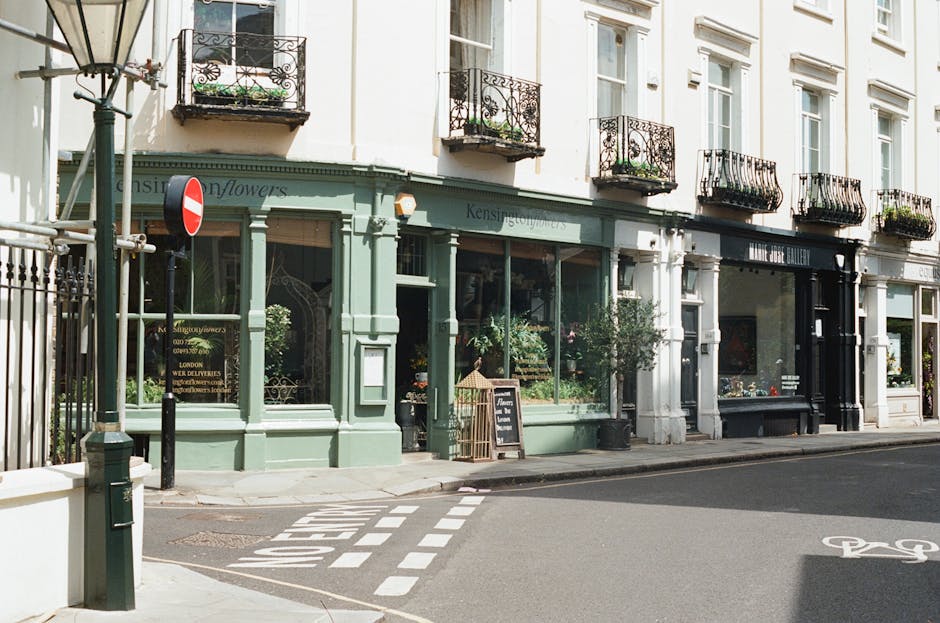
Holland Park office cleaning for Kensington High Street firms
If you run a firm near Kensington High Street, you already know that a clean office is not just a nice extra. It shapes first impressions, supports staff morale, and quietly says something about how your business is run. Holland Park office cleaning for Kensington High Street firms is really about that balance: keeping the workplace presentable, hygienic, and flexible enough for the rhythm of London business life.
There is also a local reality to it. Offices around Kensington High Street tend to have a mix of client-facing spaces, compact meeting rooms, older buildings, shared entrances, and the occasional awkward patch of carpet that never seems to forgive you. So the right cleaning approach needs to be practical, discreet, and consistent. In this guide, we'll walk through how it works, what to look for, common mistakes, and the best ways to keep standards high without making office life feel disrupted.
Table of Contents
- Why it matters for Kensington High Street firms
- How office cleaning in Holland Park works
- Key benefits and practical advantages
- Who needs this service and when it makes sense
- Step-by-step guidance
- Expert tips for better results
- Common mistakes to avoid
- Tools, resources and recommendations
- Law, compliance, standards and best practice
- Options and comparison
- Case study or real-world example
- Practical checklist
- Conclusion
- Frequently asked questions
Why Holland Park office cleaning for Kensington High Street firms Matters
For firms operating near Kensington High Street, office cleaning has a direct effect on reputation and workflow. Clients walking in from the street notice the reception area first, then the meeting room, then the small details: fingerprints on glass, dust around skirting boards, stale bin smells, coffee marks on upholstery. It only takes a moment.
That matters even more in London because business travel is often compressed. Meetings arrive back-to-back. Visitors may step in after a tube journey, a cab ride, or a brisk walk from the station. If the office feels fresh and organised, the whole meeting starts better. If it feels neglected, well, people notice. They always do.
Holland Park sits close enough to Kensington High Street that many firms share the same professional expectations, but the buildings can differ quite a bit. Some offices occupy modern commercial space; others are in converted townhouses or mixed-use premises with narrower access, awkward stairwells, or delicate finishes. A cleaning plan has to respect that environment, not fight it.
There is also a staff well-being angle. Cleaner desks, sanitised touchpoints, and regular waste removal reduce day-to-day friction. No one wants to start Monday at a sticky meeting table. A decent routine avoids that very ordinary misery.
If your business also needs related property or furnishing support, it may help to review the broader services overview and, for specialist floor care, carpet cleaning in Holland Park W11.
How Holland Park office cleaning for Kensington High Street firms Works
In practice, office cleaning is usually built around a site assessment, a cleaning schedule, and a clear scope of work. That sounds obvious, but it is where a lot of problems are prevented. A good provider will not treat every office the same, because an accountancy firm with client meetings three days a week needs something different from a creative studio with late working hours and hot-desking.
Typical office cleaning in this part of west London often includes:
- desk and surface dusting
- vacuuming carpets and rugs
- mopping hard floors
- waste and recycling removal
- kitchen and break area cleaning
- washroom cleaning and replenishment
- spot cleaning of glass, doors, and shared touchpoints
- periodic deeper attention to carpets, upholstery, and skirting
The exact schedule depends on footfall and how the office is used. A law firm with private consultation rooms might need quiet early-morning visits. A media office may prefer evening or weekend cleaning so staff can leave laptops and cables exactly where they are. To be fair, the best cleaning plans often feel almost invisible. They fit around the business instead of asking the business to adapt to them.
Many firms also prefer a mix of daily or weekly maintenance cleaning with periodic deep cleaning. That helps with hygiene, but it also keeps the office looking cared for rather than merely tidy for one day and forgotten the next. If your premises include fitted carpets or soft seating, a separate specialist clean may be worthwhile from time to time, especially in reception and waiting areas.
For firms wanting a cleaner that understands both office and fabric care, the page on office cleaning in Holland Park is the most direct service reference. If upholstery is part of the picture, upholstery cleaning in Holland Park may also be useful.
Key Benefits and Practical Advantages
A good office cleaning routine does more than make things look nice. That sounds a bit too simple, but it is true. The benefits show up in small and large ways, and often in ways managers only notice when they disappear.
1. A better first impression
Clients, suppliers, and interview candidates all make quick judgments. Clean floors, fresh bins, and a well-kept meeting room suggest control and professionalism. That matters in Kensington High Street, where many firms compete on trust and presentation as much as price.
2. Less distraction for staff
A tidy workplace helps people think clearly. Mess creates small interruptions, and small interruptions add up. No one wants to spend time dealing with overflowing bins, crumbs around the kitchenette, or the awkward smell of yesterday's lunch. It sounds minor. It isn't.
3. Better care for carpets and furnishings
Regular vacuuming and spot treatment protect flooring and soft furnishings from unnecessary wear. If you wait too long, dirt gets worked into fibres, and cleaning becomes more expensive later. That's one of those dull truths that turns into a budget issue very quickly.
4. A more flexible workplace
Office cleaning can be structured around occupancy patterns, letting businesses keep operations moving without much interruption. Early mornings, evenings, or weekend visits can all work if planned properly.
5. Lower risk of avoidable hygiene issues
Shared kitchens, handles, and washrooms need routine attention. Not because offices are inherently dirty, but because they are shared spaces. The difference between "fine" and "actually maintained" is usually consistency.
Expert summary: The offices that look easiest to manage are usually the ones with the clearest cleaning routine, the simplest instructions, and the least guesswork. A good plan beats a heroic clean every time.
Who This Is For and When It Makes Sense
Holland Park office cleaning for Kensington High Street firms is a good fit for a wide range of businesses, but especially for teams that need regular presentation standards without the internal admin headache.
- Professional services firms such as solicitors, accountants, surveyors, and consultants
- Client-facing businesses that host meetings, interviews, or appointments
- Small offices where staff are too busy to handle cleaning properly themselves
- Growing teams that have outgrown ad hoc tidying and now need structure
- Businesses in converted or period buildings where care is needed around finishes and access
It also makes sense if your office has a mix of hard floors, carpets, soft seating, or common areas that are used heavily during the week. In those cases, a piecemeal approach can leave some parts sparkling and others quietly neglected. And yes, that half-clean look is worse than it sounds.
You may also want more support if staff are spending extra time in the office due to client meetings, hybrid working patterns, or seasonal workload spikes. When occupancy rises, cleaning needs usually rise with it. That's normal.
Step-by-Step Guidance
If you're planning office cleaning for a Kensington High Street firm, a simple process works best. You do not need drama. You need clarity.
- Define the space and usage. List meeting rooms, desks, kitchens, washrooms, reception areas, corridors, and any specialist spaces such as archive rooms or client lounges.
- Identify priorities. Ask which areas need daily attention and which can be tackled less often. Reception and washrooms usually come first.
- Choose time windows. Decide whether cleaning should happen before opening, after hours, or during quieter periods. This is often more important than people expect.
- Agree the scope. Specify surfaces, appliances, bins, floors, restocking, and any deep-clean tasks. Don't leave "clean office" as the whole brief. That is too vague, and everyone knows it.
- Plan for fabrics and flooring. Carpets, chairs, and sofas need different care from desks and tiles. For practical floor-care context, see best carpet cleaning services near Holland Park Station.
- Set review points. Check standards after the first few visits, then periodically after that. Small tweaks early on prevent bigger frustrations later.
- Record special instructions. Access codes, alarm routines, sensitive rooms, and items that should never be moved should all be documented.
One useful habit: walk the space once a week, even if only for five minutes. You'll spot drift quickly. A slightly dusty shelf today can become a polished-looking problem by Friday afternoon, depending on the light. London offices have a habit of showing everything in that cold winter daylight.
Expert Tips for Better Results
In our experience, the best office cleaning arrangements are usually the least complicated ones. Here are a few practical tips that make a noticeable difference.
Keep the scope realistic
Trying to squeeze too much into one visit creates uneven results. It is better to clean the right things properly than to promise everything and only half deliver. Be fair to the cleaner and fair to the office.
Separate daily tasks from periodic tasks
Not everything belongs in the same schedule. Bins, touchpoints, and kitchen surfaces may need regular attention, while skirting boards, blinds, and deeper carpet work can be set less frequently. This keeps budgets under control and standards sane.
Make storage easy
Cleaning gets quicker when products, cloths, and consumables are stored sensibly. If supplies are spread across three cupboards and a random drawer, someone is going to waste time hunting for bin liners. Happens all the time.
Protect the reception area
Reception is often the highest-visibility space. Fresh mats, clean glass, and a spotless desk area can do more for perception than an elaborate office refresh. First impressions are annoyingly powerful.
Use seasonal thinking
In wetter months, entrances track in more dirt and moisture. In summer, dust and pollen can build up differently. Adjust the routine rather than assuming one plan fits all year.
If your office also has upholstered waiting-room furniture, it can be worth pairing cleaning schedules with the sort of fabric care covered on Melbury Road upholstery cleaning for period houses. Different setting, yes, but the principle is similar: protect the materials before they become a problem.
Common Mistakes to Avoid
Most office cleaning problems are not mysterious. They come from small decisions made too quickly.
- Being vague about the brief. "Just keep it clean" is not a plan.
- Ignoring the busiest areas. Kitchens and washrooms need more attention than storage cupboards, obviously.
- Choosing purely on price. The cheapest option can become the most expensive if standards slip or tasks are missed.
- Forgetting about access and security. Bad key handling or unclear access procedures can create unnecessary risk.
- Assuming one deep clean will solve everything. It helps, but upkeep is what really holds standards.
- Not reviewing the arrangement. Offices change. Staff numbers change. Client traffic changes. The schedule should change too.
One slightly annoying truth: many offices know exactly what is wrong, but only after the first complaint from a client or colleague. Better to check before that point. Saves a bit of embarrassment, too.
Tools, Resources and Recommendations
Good results usually depend on a sensible mix of routine, equipment, and communication. The aim is not to build a museum-like office. It is to keep a working environment dependable.
| Area | Useful approach | Why it helps |
|---|---|---|
| Desks and touchpoints | Microfibre cloths and appropriate surface-safe products | Removes dust and everyday marks without over-wetting surfaces |
| Floors | Regular vacuuming and scheduled mopping | Controls grit, protects finishes, and keeps walkways presentable |
| Washrooms | Structured cleaning with restocking checks | Prevents sudden shortages and keeps hygiene consistent |
| Kitchens | Daily wipe-downs plus periodic appliance attention | Reduces smells, residue, and the dreaded mysterious fridge situation |
| Upholstery | Spot treatment and planned deep cleaning | Extends fabric life and improves appearance in client areas |
For businesses comparing support options, the broader services overview can help map what belongs in a regular clean and what is better handled as a specialist task. If pricing is part of your decision, pricing and quotes is the most useful page to review before you ask for a tailored proposal.
A small but useful recommendation: keep one person internally responsible for feedback. If five different staff members each give slightly different instructions, standards drift. One point of contact keeps things tidy. Simple, but effective.
Law, Compliance, Standards, or Best Practice
Office cleaning is not just about appearance; it touches health, safety, and day-to-day workplace management. While every office is different, UK employers generally need to think carefully about maintaining a safe and reasonably hygienic workplace, especially where staff and visitors share common areas.
In practical terms, that means cleaning arrangements should support hazard reduction rather than create new problems. Floors should not be left slippery. Waste should be managed properly. Cleaning products should be used according to the supplier guidance. Access arrangements should be secure. And if a cleaner is working around sensitive equipment, clear instructions matter.
Best practice also includes good record-keeping, especially for recurring visits, incident reporting, and any special instructions around keys, alarms, or restricted rooms. If your office sits in a multi-tenant building, coordination with building management can avoid overlap, missed access, or awkward timing.
Another point worth mentioning: if the business handles visitor flow, interview days, or client consultations, cleaning standards should reflect that. A tidy back office is not enough if the front-of-house space feels tired. The whole customer journey counts.
The company's own policies can also help here. It is sensible to review health and safety policy information, insurance and safety details, and, if you care about service transparency, the pages on terms and conditions and privacy policy. That is not just paperwork. It tells you how the operation is structured.
For firms that want reassurance on service standards, it can also help to know there is a clear complaints procedure and a documented approach to payment and security. In a business setting, that sort of clarity matters more than people admit.
Options, Methods, or Comparison Table
There is no single best cleaning model for every Kensington High Street firm. The right choice depends on office size, traffic, and how visible the premises are to clients.
| Cleaning approach | Best for | Strengths | Trade-offs |
|---|---|---|---|
| Daily light cleaning | Busy client-facing offices | Keeps front-of-house consistently presentable | May not address deeper soil build-up |
| Weekly scheduled cleaning | Smaller offices or lighter footfall | Cost-effective and simple to manage | Can feel insufficient during busy periods |
| Mixed routine with periodic deep cleans | Most professional offices | Balances cost, hygiene, and presentation | Needs clearer planning |
| Ad hoc cleaning only | Very occasional use spaces | Flexible in theory | Often inconsistent and hard to maintain |
For most firms, the mixed routine wins. It is practical, not flashy. And honestly, practical usually wins in office maintenance. The glamorous version is the one that falls apart after a month.
Case Study or Real-World Example
Here is a realistic example. A small professional firm near Kensington High Street had a reception area, two meeting rooms, a kitchenette, and a modest open-plan office. Staff had been tidying as they went, but client meetings were starting to feel less polished than they wanted. The issues were ordinary ones: dull carpets by the entrance, crumbs in the kitchen, and washroom restocking that kept slipping through the cracks.
The firm changed to a structured routine. Reception and meeting rooms were cleaned after hours, bins were emptied daily, kitchen surfaces were wiped every visit, and carpets got regular attention. Nothing dramatic happened. No grand reveal, no shiny transformation montage. But over a few weeks the office simply became easier to walk into. Staff stopped making apologetic jokes about "the state of the place." Clients noticed the fresher feel. One person even said the meeting room looked calmer, which is a weird but very useful compliment.
The real lesson? Consistency beats occasional effort. A one-off deep clean can reset the space, but a workable routine keeps it there.
Practical Checklist
Use this quick checklist if you're planning Holland Park office cleaning for Kensington High Street firms.
- Confirm the areas to be cleaned: reception, desks, kitchen, washrooms, meeting rooms, corridors
- Decide what needs daily, weekly, and periodic attention
- Choose cleaning times that do not interrupt staff or visitors
- Record access details, alarm instructions, and contact names
- Agree how bins, recycling, and waste will be handled
- Clarify what is included in surface cleaning versus deep cleaning
- Check how carpets, upholstery, and hard floors will be maintained
- Set a simple review process for feedback and adjustments
- Keep health and safety, insurance, and security information on file
- Make sure the office brief reflects the way people actually use the space
That last one is easy to overlook. A plan that looks neat on paper can still fail if it does not match real usage. Offices are living spaces in their own awkward, corporate way.
Conclusion
Holland Park office cleaning for Kensington High Street firms is really about more than cleaning. It is about keeping a professional environment dependable, calm, and ready for business. When the routine is clear, the standards hold. When the scope fits the office properly, the results feel natural rather than forced.
If you are comparing providers or refining your current arrangement, start with the practical stuff: what needs cleaning, when it needs to happen, and how the office is actually used. That is where the useful decisions live. Everything else is just noise.
And if you want a local service base to explore further, you can look through the about us page and the latest local blog posts for more context on related cleaning topics across Holland Park and nearby streets.
Get a free quote today and see how much you can save.
Sometimes the best office upgrade is the quiet one. The one that just makes the day run better.
Frequently Asked Questions
What does Holland Park office cleaning for Kensington High Street firms usually include?
It usually covers desks, shared surfaces, bins, kitchens, washrooms, floors, and reception areas. Some offices also need periodic carpet care or upholstery cleaning, especially in client-facing spaces.
How often should a Kensington High Street office be cleaned?
That depends on footfall and how the office is used. Busy client-facing firms often need daily cleaning, while smaller offices may manage with a weekly schedule plus periodic deep cleans.
Is after-hours cleaning better for offices near Kensington High Street?
Often yes. After-hours cleaning reduces disruption, avoids awkward noise during meetings, and lets the office reset overnight. That said, some firms prefer early mornings or quieter daytime windows.
Can office cleaning be tailored for older or converted buildings?
Yes. In fact, it should be. Older buildings may have narrower access, delicate finishes, mixed flooring, or tighter storage, so the plan should fit the property rather than ignore it.
What is the difference between office cleaning and deep cleaning?
Office cleaning is the routine maintenance work that keeps the workplace presentable. Deep cleaning is more intensive and usually targets built-up dirt, detailed surfaces, carpets, upholstery, and less frequently cleaned areas.
How do I know if my office cleaning schedule is too light?
If bins overflow, washrooms feel tired, carpets look dull, or staff start doing their own quick fixes, the schedule is probably too light. A good routine should reduce that sort of drift.
Is office cleaning suitable for small firms with only a few staff?
Absolutely. Small firms often benefit a lot because they may not have the time or internal structure to manage cleaning consistently. A simple routine can make a real difference.
Should carpets and upholstery be cleaned separately from the office routine?
Usually yes. Vacuuming and light upkeep may be part of the routine, but deeper carpet and upholstery cleaning are often better handled as scheduled specialist tasks.
What should I ask before booking office cleaning?
Ask what is included, when cleaning can happen, how access is handled, whether special materials are protected properly, and how feedback or problems are dealt with. Clear answers matter.
How do I keep office cleaning standards consistent over time?
Set a clear brief, review the first few visits, and keep one internal point of contact. Small adjustments early on prevent the usual slow drift that happens when nobody is watching.
Does office cleaning help with presentation for clients and interviews?
Very much so. Clean meeting rooms, tidy entrances, and fresh-smelling shared areas make the whole business feel more organised and confident. People notice that, even if they don't say it out loud.
Where can I find more information about the company's approach to service and safety?
You can review the pages on health and safety, insurance and safety, and services overview for a better sense of how the service is structured.