Melbury Road upholstery cleaning for period houses
Posted on 09/05/2026
Melbury Road Upholstery Cleaning for Period Houses: A Practical Guide for Protecting Character, Fabric, and Value
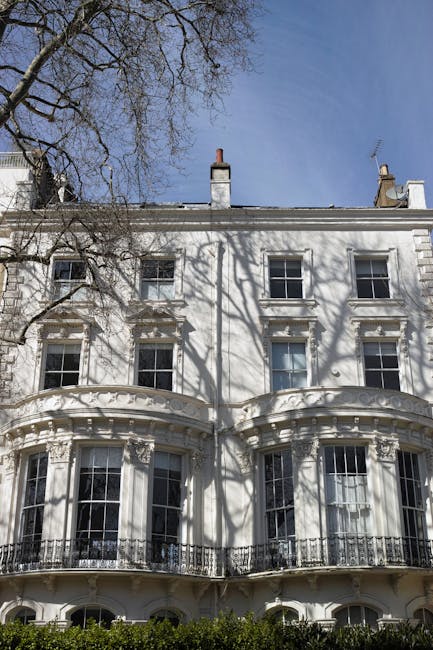
Period homes on Melbury Road have a way of making even an ordinary Tuesday feel a bit special. High ceilings, original details, deep skirting boards, sash windows, carved wood, and upholstery that has probably seen years of real life. That last part matters. Sofas, armchairs, dining chairs, window seats, and ottomans in older houses often need more than a quick tidy-up. They need careful, sympathetic cleaning.
This guide to Melbury Road upholstery cleaning for period houses explains what actually works, what to avoid, and how to make sensible choices for delicate fabrics, older interiors, and homes where a rushed, one-size-fits-all approach can do more harm than good. If you are trying to protect antique or heritage-style furniture, refresh a family home, or prepare a property for sale or guests, you are in the right place.
We'll cover the practical side too: cleaning methods, fabric checks, common mistakes, compliance and safety points, and the sort of questions homeowners genuinely ask before booking. And yes, we'll keep it plain English. No fluff, no nonsense.
Quick takeaway: period-house upholstery should be treated as a fabric-care job first and a cleaning job second. That simple shift changes the result quite a lot.
Why Melbury Road upholstery cleaning for period houses Matters
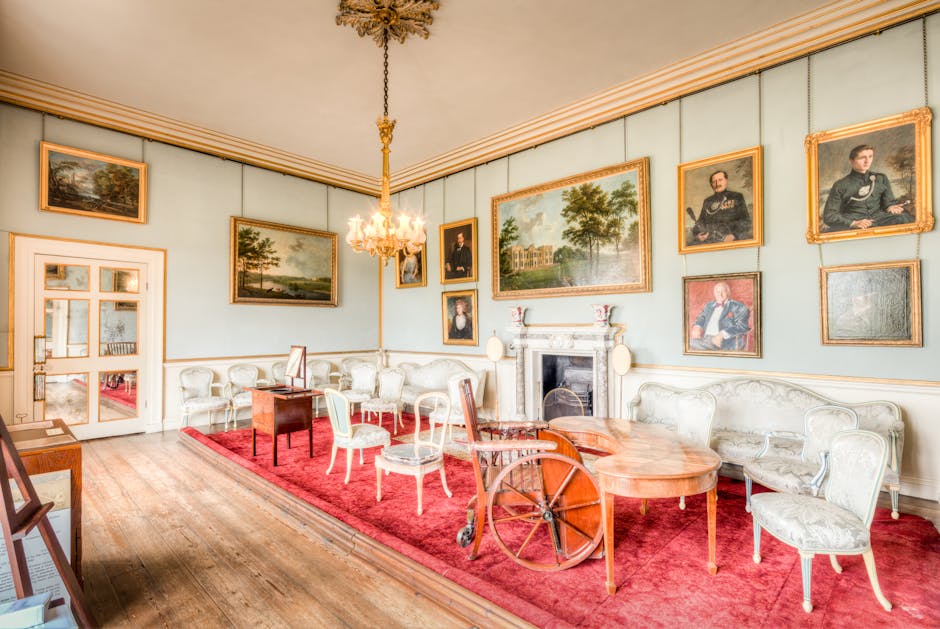
Melbury Road sits in one of those London pockets where homes tend to have history built into them. In period properties, upholstery is not just decorative. It often carries the weight of the room's character. A tired velvet armchair, a faded chaise, or dining chairs dulled by years of use can quietly drag down the whole interior. On the other hand, over-cleaning can leave a mark that is much harder to forgive than a stain.
That is why upholstery cleaning in period houses needs a different mindset. Older homes often contain:
- natural fibres such as wool, cotton, linen, silk blends, and horsehair-filled or sprung items
- fabrics with age-related fragility, sun fading, or previous repairs
- antique or reproduction furniture with delicate trims, nails, piping, or braid
- rooms with less forgiving ventilation, humidity swings, or dust build-up
In a modern flat, a standard extraction clean might be enough. In a Victorian or Edwardian home, the same approach can leave uneven drying, water marks, dye bleed, or texture changes. Truth be told, the wrong method can make a piece look worse than when you started.
This matters for more than looks. Clean upholstery can improve day-to-day comfort, reduce odours, and help maintain the condition of a room that may already be beautifully finished. It also supports wider property care. A well-kept interior can sit nicely alongside other upkeep tasks, whether you are arranging regular house cleaning in Holland Park, considering domestic cleaning support, or planning a more complete seasonal refresh.
If you are in the middle of a bigger property project, upholstery is often the detail people notice first. Not the bit anyone brags about, but the bit they remember.
How Melbury Road upholstery cleaning for period houses Works
Good upholstery cleaning starts with identification. Not guessing. A proper cleaner will first assess the fabric, construction, age, and current condition of each item. That is especially important in period houses, where two chairs that look similar can behave very differently once moisture is introduced.
In practical terms, a careful cleaning process usually includes the following steps:
- Initial inspection - checking fabric type, wear, shading, stains, loose stitching, trims, and any signs of damage.
- Testing - carrying out a discreet spot test to see how the fabric reacts to moisture, agitation, and cleaning solution.
- Dry soil removal - vacuuming thoroughly to remove dust, grit, pet hair, and crumbs from seams and crevices.
- Targeted stain treatment - applying suitable pre-treatment to spots or traffic areas, with caution around colour-sensitive textiles.
- Primary clean - using the chosen method, often low-moisture cleaning, hot water extraction where suitable, or hand-led fabric-safe techniques.
- Controlled drying - allowing ventilation and airflow so the item dries evenly and does not develop odour or water marks.
- Final grooming - brushing, resetting pile, and checking for any remaining marks or areas that need a second careful pass.
Period-house upholstery often needs a slower rhythm. That's normal. A cleaner may choose a lower-moisture approach for a delicate sofa in a drawing room with original plasterwork and layered textiles. Or they may use a more traditional extraction method on a hard-wearing family chair once they know the fabric can cope.
One thing people sometimes miss: cleaning is not only about stain removal. It is also about balancing safety, appearance, and fabric life. That balance is the real job.
If you are comparing service options, it helps to look at the broader offering on the services overview page and the specific upholstery cleaning service in Holland Park. The best fit for a period home is usually the one that talks clearly about fabric testing and care, not just speed.
Key Benefits and Practical Advantages
The best upholstery clean does more than make a sofa look brighter. It can quietly improve the whole home. In period houses especially, the benefits tend to stack up.
- Preserves fabric condition - removing abrasive dust and grime helps reduce wear on fibres over time.
- Improves the look of character rooms - cleaner upholstery brings back contrast, colour depth, and shape.
- Helps manage odours - a useful one if you have pets, children, or older furnishings that hold smells.
- Supports property presentation - useful for viewings, photography, or simply enjoying the place properly.
- Can extend usable life - especially where the upholstery is good quality and worth maintaining.
- Reduces hidden dirt build-up - which is often more noticeable in older homes than people expect.
There is also a subtle comfort benefit. Fresh upholstery changes how a room feels. Not in a dramatic showroom way, but in a more lived-in, calmer way. You sit down and notice it. The fabric feels lighter. The room smells cleaner. It just works better.
Expert summary: if a period home has been carefully redecorated but the upholstery looks dull, the room will still feel unfinished. A thoughtful clean often gives the biggest visual return for the least disruption.
For homeowners thinking beyond one room, upholstery care can sit alongside broader maintenance, including carpet cleaning in Holland Park or even routine house cleaning to keep dust from building up again too quickly.
Who This Is For and When It Makes Sense
This kind of cleaning is not only for obviously antique furniture. Plenty of people on Melbury Road and nearby streets benefit from it, even if their furniture looks fairly modern at first glance.
It makes sense for you if:
- you live in a period house with original or heritage-style interiors
- your upholstery is silk-like, velvet, wool, linen, or otherwise sensitive
- you have heirloom pieces that need a careful hand
- the sofa or chair has visible traffic marks, food spots, or pet odours
- you are preparing the home for sale, rental, or a special event
- you have noticed dust settling more quickly in older rooms
- you simply want the room to feel fresh again without replacing furniture
It is especially sensible before:
- property photography or viewings
- guest stays, holiday periods, or family gatherings
- the start of autumn or spring, when people often do a proper reset
- moving in after purchase of a period property
- moving out, where the furniture is staying but needs presenting well
To be fair, many people wait until a stain becomes impossible to ignore. That works sometimes, but it is not ideal. If you act earlier, the outcome is usually better and the fabric suffers less.
If you are also looking at selling or letting, a refreshed interior can sit neatly beside the advice in property selling strategies for Holland Park and guidance on buying and maximising returns in Holland Park. Those topics are not about cleaning, of course, but the same principle applies: presentation matters.
Step-by-Step Guidance
If you want the process to go smoothly, it helps to think about upholstery cleaning as a sequence rather than a single job. Here is a practical way to approach it.
1. Identify the furniture and fabric
Check labels where available, but do not rely on them alone. Look at the weave, sheen, piping, filling, and any signs of previous cleaning. A cleaner should ask questions too. When was it last cleaned? Has any stain been treated already? Is there fading on one side from sunlight?
2. Clear the area around the piece
Move lamps, magazines, throws, and small tables out of the way. In a period room, access can be tight. A little preparation saves a lot of awkward shuffling later.
3. Vacuum thoroughly
This is not just a tidy-up step. Dust and grit act like tiny bits of sandpaper. Getting them out first makes a real difference, especially around seams and buttons.
4. Test a hidden area
A discreet test is non-negotiable with delicate upholstery. If the colour transfers or the fabric reacts badly, the cleaner can adapt before causing a visible problem.
5. Choose the right method
Different items call for different techniques. A robust family sofa may tolerate extraction cleaning. A vintage armchair with delicate trim may need low-moisture or hand-led care. There is no magic method for everything. Sadly.
6. Treat stains carefully
Spot treatment should be targeted. Over-wetting a stain can spread it. Scrubbing can distort fibres. Patience is usually the smarter move.
7. Dry properly
Good airflow matters a lot in older houses. Open windows where safe, use fans if appropriate, and avoid sitting on the furniture until it is fully dry. Uneven drying can leave rings or a slightly stiff feel.
8. Re-check once dry
Some marks only reveal themselves after drying. A reputable cleaner will often do a follow-up check and explain whether a second pass is worthwhile.
If you want a cleaner who treats the job carefully from the start, it is worth reviewing the company's wider standards on insurance and safety and its health and safety policy. Those pages matter more than people think, especially in homes with valuable furnishings or tight access.
Expert Tips for Better Results
Here are the habits that tend to separate a decent result from a genuinely good one.
- Clean before stains become permanent - fresh marks are usually easier to deal with than old, set-in ones.
- Protect from strong sunlight - UV exposure can fade upholstery and make cleaning look uneven afterwards.
- Ask about fibre-safe methods - especially for velvet, viscose blends, silk mixes, and older woven fabrics.
- Use gentle maintenance between cleans - vacuum weekly if you can, or every couple of weeks for less-used rooms.
- Be cautious with shop-bought stain removers - many are too aggressive for period furniture and can set a stain in place.
- Rotate cushions - it helps wear stay more even, which is a small thing but a useful one.
- Keep expectations realistic - some age-related marks, shading, and wear are part of the piece, not a failure.
One small but important point: velvet and pile fabrics often look patchy while drying. That can look alarming for a few hours. Usually it settles. Usually. If it doesn't, that is when you want an experienced cleaner who knows how to finish the pile properly.
If you are the kind of person who likes to know who you're dealing with, a quick look at the company's about us page can be reassuring. It tells you whether the business sounds like a real local operator or just a glossy website with no substance behind it.

Common Mistakes to Avoid
Period houses are forgiving in some ways and very unforgiving in others. Upholstery is the same. A few avoidable mistakes come up again and again.
- Using the wrong cleaning method for the fabric - a classic problem that can lead to shrinkage, distortion, or dye movement.
- Cleaning only the visible stain - this often leaves tide marks or a cleaner patch surrounded by a dirtier one.
- Over-wetting the upholstery - especially risky in older rooms where drying is slower.
- Ignoring the backing or filling - moisture can travel deeper than expected.
- Scrubbing aggressively - this can rough up fibres and flatten the texture.
- Forgetting to test first - a simple step that prevents a lot of regret.
- Choosing price before care - cheap is not always cheap if the fabric is damaged.
And one more, because it happens all the time: people assume that if a fabric has survived for 30 years, it will survive anything. Not really. Age, previous cleaning, and hidden wear all matter.
If you are comparing providers, do not shy away from asking how they handle complaints or what happens if an issue appears after the clean. A proper complaints procedure is a good sign, not a red flag. It shows the business has thought about accountability, which is comforting in a practical sort of way.
Tools, Resources and Recommendations
For homeowners, the right tools are not about doing everything yourself. They are about knowing what to keep to hand and what to leave to professionals.
Useful home-care items
- a soft brush attachment for vacuuming
- clean white cloths for blotting minor spills
- an upholstery-safe fabric refresher only if the manufacturer allows it
- good ventilation through windows or extractor fans
- a note of any fabric care instructions that came with the furniture
What a professional cleaner may use
- inspection lights for spotting hidden marks
- low-moisture or extraction equipment
- specialist upholstery detergents suited to fabric type
- neutralisers for certain odours, where appropriate
- hand tools for seams, buttons, and detailed trims
For broader decision-making, you may also find these pages helpful:
- pricing and quotes if you want to understand how enquiries are usually handled
- payment and security if you want reassurance before booking
- terms and conditions for the small print that people often skip, then wish they hadn't
- local carpet cleaning guidance near Holland Park Station if you are bundling upholstery with flooring care
If you are managing a full-home refresh, the broader services overview can help you see how upholstery cleaning fits alongside carpet, domestic, or office cleaning.
Law, Compliance, Standards, or Best Practice
Upholstery cleaning in a private home is not usually about heavy regulation, but professional standards still matter. In the UK, reputable cleaners should operate with sensible safety procedures, clear communication, and appropriate care for chemicals, equipment, and access within the property.
For period houses, best practice generally means:
- checking fabric suitability before cleaning
- using products as directed by the manufacturer or supplier
- taking reasonable care around electrical items, wooden finishes, and floors
- managing ventilation and drying so the property remains safe to use
- having insurance in place for accidental damage or public liability, where relevant
It is also sensible for a provider to have clear documentation on policies such as insurance and safety, health and safety, and data handling via the privacy policy. None of that is glamorous. But it is exactly the sort of background detail that tells you a business is run properly.
If a provider can explain its process in plain English, that is a very good sign. If they use lots of vague superlatives and no specifics, perhaps less so.
Options, Methods, or Comparison Table
Not every upholstery item in a period house needs the same treatment. Here is a simple comparison to help you think through the options.
| Method | Best for | Strengths | Watch-outs |
|---|---|---|---|
| Low-moisture cleaning | Delicate fabrics, older upholstery, heritage interiors | Gentler, faster drying, less risk of saturation | May be less effective on heavy soil if not paired with pre-treatment |
| Hot water extraction | Robust upholstered furniture with suitable fabric backing | Strong soil removal, good for deeper cleaning | Can be too wet for fragile or aged pieces |
| Hand cleaning / spot-led treatment | Antique details, trims, sensitive areas, small items | High control, tailored approach | Slower and not ideal for large heavily soiled pieces alone |
| Dry compound or specialist dry methods | Very moisture-sensitive fabrics in selected cases | Minimal water use, useful in certain situations | Method choice depends heavily on fabric and product compatibility |
In practice, the best result often comes from a hybrid approach rather than a single method. A sofa might need careful vacuuming, targeted stain work, and a restrained clean rather than a full soak. That's normal. In fact, it's usually better.
If you are exploring the best approach for your home, a quick conversation with a specialist cleaner is worth more than a long afternoon of guesswork. You will learn a lot in five minutes.
Case Study or Real-World Example
A useful example: imagine a family living in a Victorian house on or near Melbury Road with a well-used linen-blend sofa in the sitting room. The fabric has dulled over time, one cushion edge has a drink mark, and there is a faint pet smell that only becomes noticeable when the room warms up in the afternoon.
A sensible cleaning approach would start with inspection and testing. The cleaner may find that the back panel is slightly more colour-sensitive than the seating area. Rather than treating the whole sofa aggressively, they might:
- vacuum the entire piece carefully
- pre-treat the drink mark with a fabric-safe solution
- clean the seat cushions more thoroughly than the rest
- use a lower-moisture method on the back panel
- finish with strong airflow and a drying check later in the day
The result is not usually a dramatic "brand new" transformation. That would be unrealistic. Instead, the sofa looks lighter, the mark is reduced, the smell has lifted, and the room feels more balanced. The clients sit down that evening and notice the difference straight away. Small thing, big effect.
That is the sweet spot for period-house upholstery cleaning: respectful, visible improvement without upsetting the fabric or the room's character.
Practical Checklist
Use this before you book or before a cleaner arrives.
- Identify the fabric type if you can
- Check for care labels, previous repairs, or old stains
- Note any fading, loose stitching, or fragile areas
- Move valuables and side tables away from the work area
- Confirm access to water, parking, and entrance details if needed
- Ask what cleaning method is recommended and why
- Ask whether spot testing will be carried out
- Check drying expectations before you book
- Clarify insurance and safety arrangements
- Discuss any pet, child, or allergy concerns in advance
Simple rule: if the cleaner is not asking sensible questions, that is a warning sign. Good upholstery care begins with curiosity.
Conclusion
Melbury Road upholstery cleaning for period houses is really about respect: respect for the fabric, respect for the home, and respect for the fact that older interiors often need a lighter, smarter touch. The best results come from careful inspection, the right cleaning method, and proper drying rather than speed for its own sake.
If you are maintaining a period property, preparing for a sale, or simply trying to make a favourite room feel right again, upholstery care is one of those jobs that pays you back quietly. Not in a flashy way. Just in the daily pleasure of walking into a room that feels looked after.
For a home as characterful as those around Melbury Road, that quiet improvement matters more than people think. A good clean can help the room breathe again.
Get a free quote today and see how much you can save.